
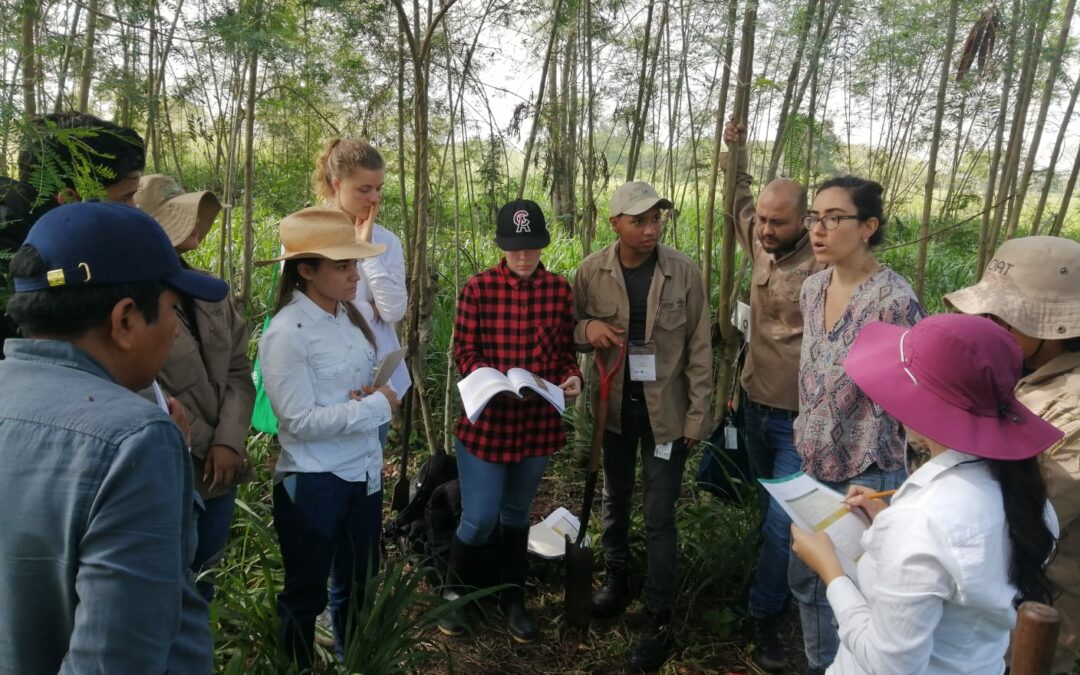
Soil health assessments on cocoa farms in Colombia and Ecuador are underway as part of the Clima-Loca project!
What are we measuring? We are measuring chemical, physical, and biological indicators that capture multiple soil functions affected by soil management and agroforestry designs. These multiple functions include nutrient cycling, carbon transformation and storage, soil structure, water regulation, and pollutant mitigation, which contribute to broader social benefits such as food production, climate regulation, biodiversity, and soil erosion control, among others. Preliminary results show a trend toward a positive impact on the nutrient and carbon cycle of organic agriculture and agroforestry when leguminous trees are included. It is necessary to monitor changes in soil health indicators over several years to effectively capture the effect of soil management practices or system designs on their functioning.
More samples and measurements will continue to be taken in Colombia, Ecuador, and Peru in 2024!
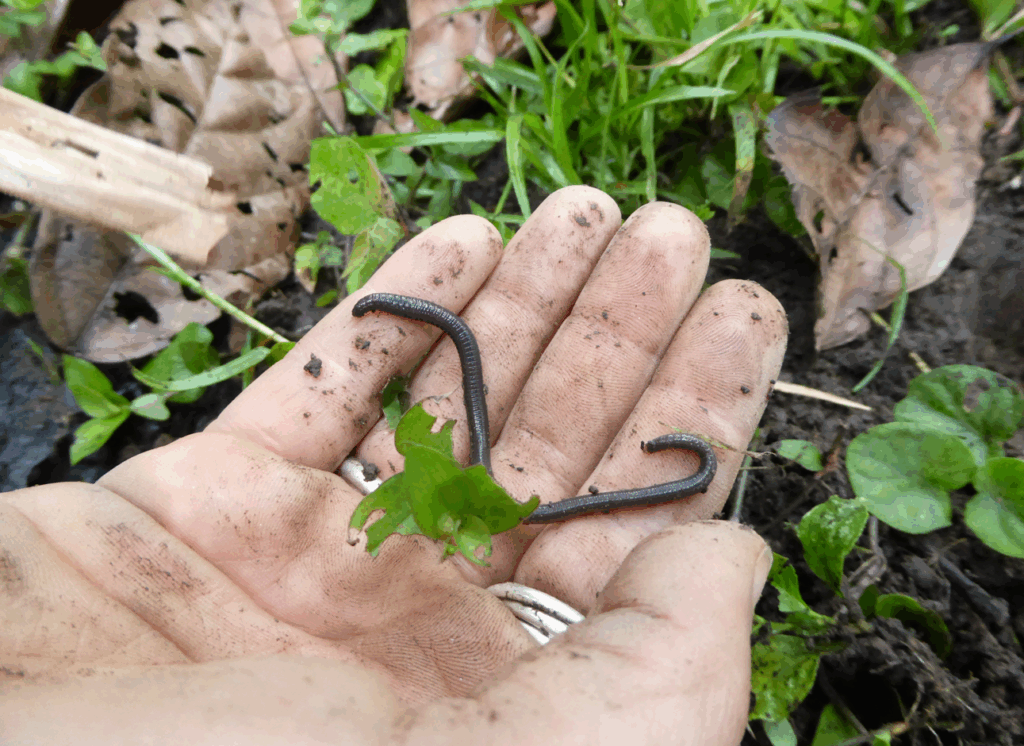
Sampling earthworms on a cocoa farm in Cesar (Colombia) where various organic and inorganic soil amendments have been evaluated since 2022.
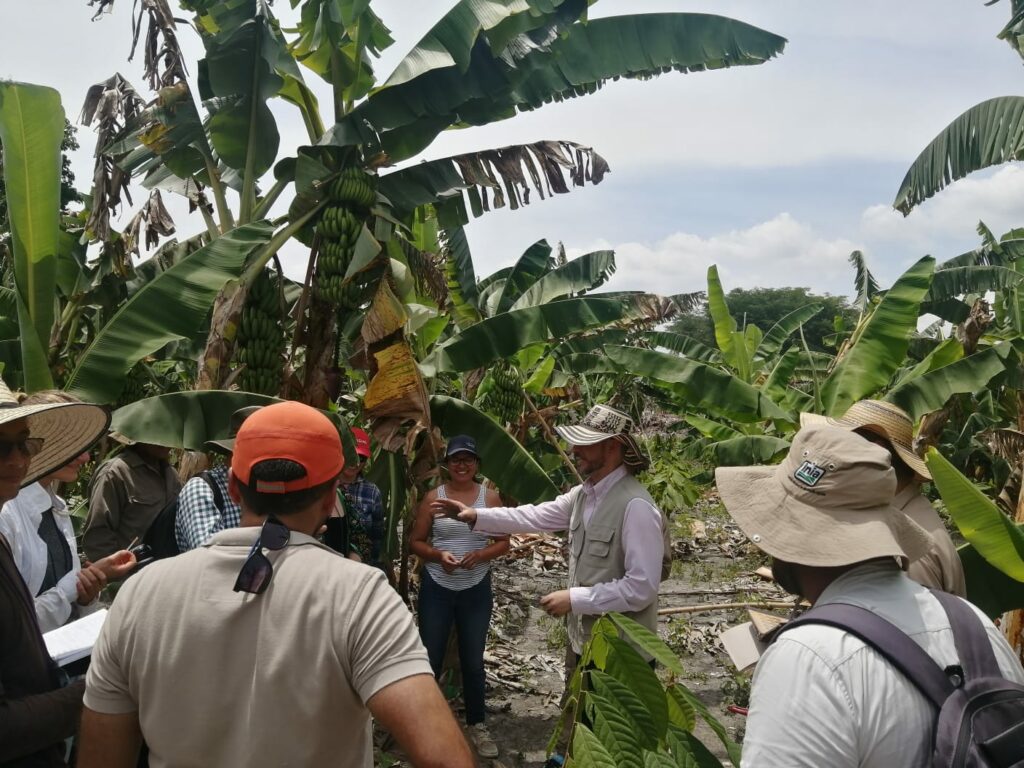
During the week of May 8-12, 2023, at the CIAT campus in Colombia, the Clima-LoCa project organized a training workshop on soil health assessment led by Wageningen University. Twenty researchers, field professionals, and laboratory staff participated in lectures on soil health and conducted soil health assessments in the CIAT laboratory and in the field.
The workshop also examined the interpretation of results and their communication to end users. The week was a great opportunity to exchange knowledge and ideas on soil health, and we hope to continue this exchange in future workshops, as well as extend the training to cocoa farmers in Colombia, Ecuador, and Peru.
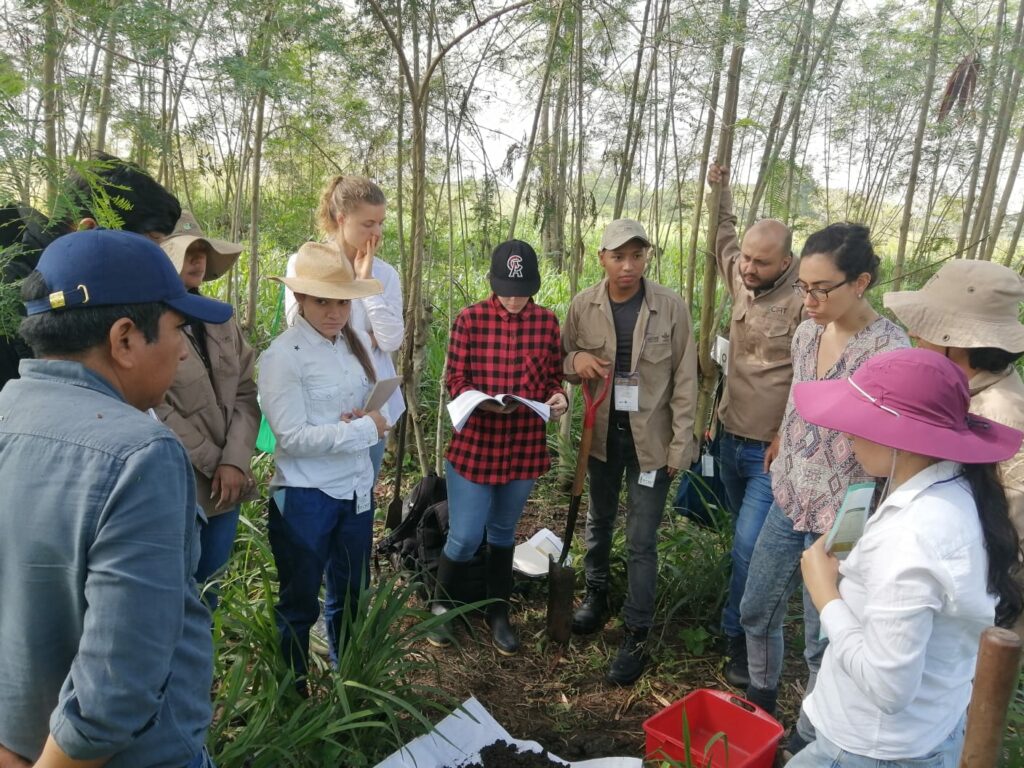
Participants in the soil health training workshop at CIAT (Cali, Colombia – May 2023).
What is soil health and why/how should it be measured?
The ability of soil to perform its many ecological functions is known as “soil health” and can be greatly affected by agricultural management.
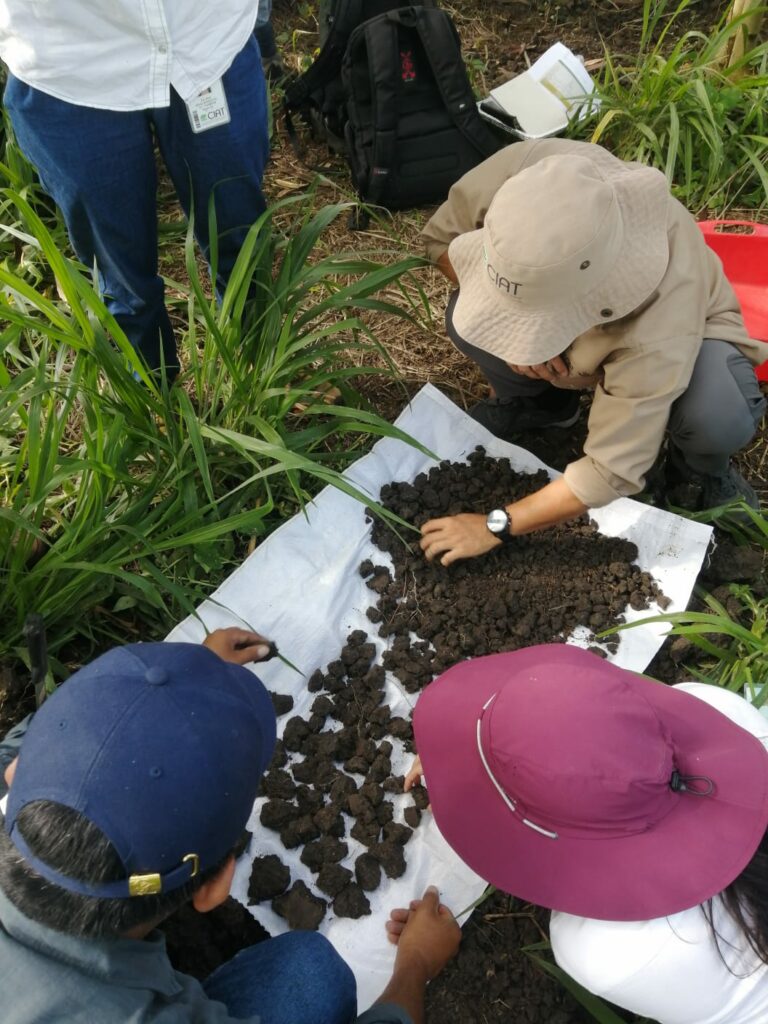
The Clima-Loca project works within a flexible soil health framework that takes into account the contexts of smallholder cocoa farming systems and is adaptable to different end users, including researchers, farmers, and agronomists. The framework combines approaches and tools to (i) obtain knowledge of reference soil health conditions, (ii) inform management interventions, and (iii) monitor progress toward predefined goals. This approach requires robust indicators that cover chemical, physical, and biological properties and processes.
These indicators must be meaningful in terms of soil functions and sensitive to changes in agricultural practices. Issues related to indicators concern their scalability (related to their cost-efficiency and applicability) and interpretation.
Statement from the Clima-Loca project as a whole. For more information on soil health in the Clima-Loca project: Giulia Bongiorno, Soil Biology Group (Wageningen University & Research).
1 The objective of the Clima-Loca project is to promote low-cadmium, climate-relevant innovations to improve the resilience and inclusion of the growing cocoa sectors in Colombia, Ecuador, and Peru.